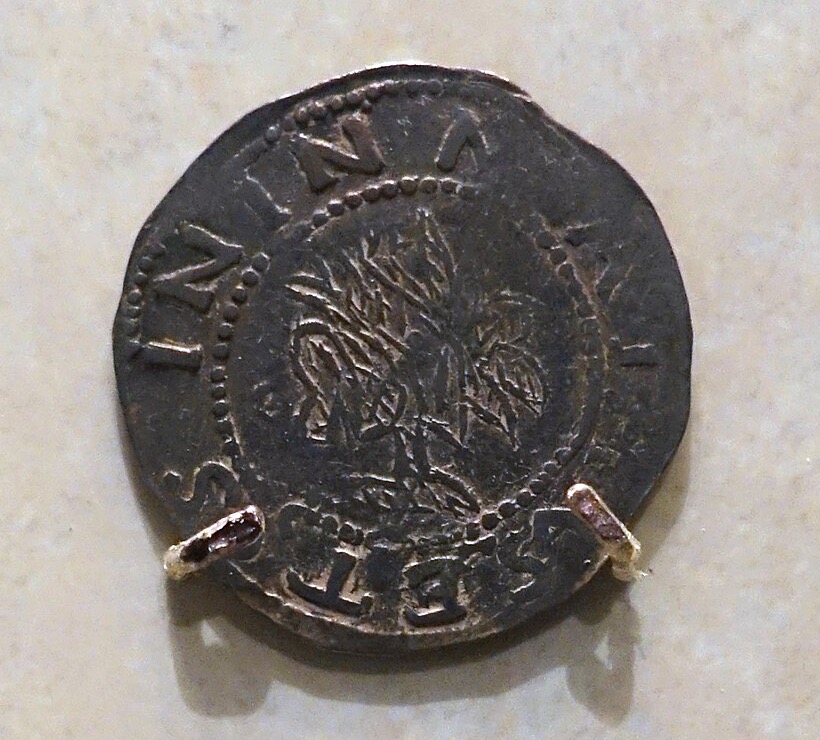
1652 Willow Tree Shilling
- Maker
- Massachusetts Bay Colony (Boston mint, John Hull)
- Year
- 1652 (struck c.1653-60)
- Rank
- 71 of 100
1652 Willow Tree Shilling
1652 Willow Tree Shilling by Massachusetts Bay Colony (Boston mint, John Hull) (1652 (struck c.1653-60)) is ranked 71 in the FLOAT 100 for Coins. It sold for $156,000 in August 2022. The earliest and rarest of the Massachusetts tree-coinage shillings — the crude Willow Tree precedes the Oak and Pine Tree types.
What is it, and why is it in the FLOAT 100?
The earliest and rarest of the Massachusetts tree-coinage shillings — the crude Willow Tree precedes the Oak and Pine Tree types.
Massachusetts silver shilling, Willow Tree, Salmon/Noe variety, NGC VF35
What is the best-sourced number for it?
- Figure
- $156,000
- Kind
- Realized at auction
- Date
- August 2022
Heritage Auctions, August 2022. A 1652 Willow Tree Shilling (Salmon 2-A), NGC VF35, realized $156,000. The rarest of the Massachusetts tree-coinage shillings.
This is a realized sale. Somebody paid it. Source.
How this is made
- The figure
- One reference price, taken from a named public source and shown with its own kind. FLOAT does not average it with anything or adjust it for time.
- Realized or not
- A realized price is a completed sale. A market asking price and a price-guide value are not sales, and are labeled as such wherever they appear.
- Why no grade ladder
- Most FLOAT 100 entries are individual objects. There is one of this, so there is no population and no spread across grades to show.
- Archive
- 2026-08-08